Lay Everything Out
See the full packing list before anything enters the suitcase so duplicates and unnecessary extras are easier to spot.
A good packing system is not about fitting the maximum number of things into a suitcase. It is about giving clothing, toiletries, technology, documents, and in-transit essentials a clear place so the journey stays easier to manage.

Organize by purpose before deciding where anything goes.
Begin with clothing, personal care, electronics, documents, and journey essentials. Once every item belongs to a category, the physical packing order becomes much clearer.
See the full packing list before anything enters the suitcase so duplicates and unnecessary extras are easier to spot.
Separate clothing, laundry, toiletries, devices, documents, security items, comfort products, and daily-use accessories.
Assign packing cubes, pouches, refillable bottles, protective cases, and document storage before loading the bag.
Place lower-priority items deeper and keep travel-day essentials and documents closer to the top or carry-on.
Confirm weight, locks, identification, charging essentials, liquids, documents, and first-day necessities.

Packing cubes and compression organizers work best when each one has a defined purpose.
Dedicated groups make dressing and repacking easier without disturbing the rest of the suitcase.
Compression organizers can reduce the space used by sweaters and other flexible clothing.
A dedicated shoe bag keeps soles away from clothing, toiletries, and smaller accessories.
Reserve a clean-and-dirty cube, wet-dry pouch, or laundry bag for worn clothing.
Keep important and frequently used items reachable while allowing lower-priority belongings to stay deeper in the bag.
Keep sleepwear, a fresh outfit, basic toiletries, chargers, and immediate-use items accessible.
Use cubes and compression organizers to create predictable groups instead of loose garments.
Place electronics in protective cases away from hard objects and unnecessary packed pressure.
Keep passports, money, identification, medication, and critical electronics with you.
Separate bottles, grooming tools, cosmetics, and daily-use personal-care items by function.
Use refillable travel bottles and jars for the amount you actually expect to use.
Keep bottles and creams away from razors, brushes, manicure tools, and electrical items.
A hanging toiletry bag can move directly from luggage to the bathroom while keeping counters clearer.
Heat-resistant travel bags help isolate styling equipment from clothing and other packed items.

Create one dedicated system for chargers, cables, adapters, memory cards, earbuds, power banks, and devices.
Bundle charging cables and accessories so each device has a complete setup.
A suitable adapter or travel power hub can reduce the number of separate wall accessories.
Protect earbuds, power banks, memory cards, tablets, drives, and other devices from pressure.
Place chargers, power banks, headphones, and frequently used devices where they are easy to reach.
Passports, cards, travel details, identification, and currency should not move between random pockets during a trip.
Return it to the same holder or travel wallet after every checkpoint.
Keep frequently used cards accessible while storing backup payment options separately.
Organize itinerary, accommodation, ticket, and identification information in one clear system.
Separate critical backup items while keeping active documents organized and accessible.

Keep a small group of in-transit essentials separate from destination-only belongings.
The most useful carry-on items are often the ones you can reach without unpacking anything else.
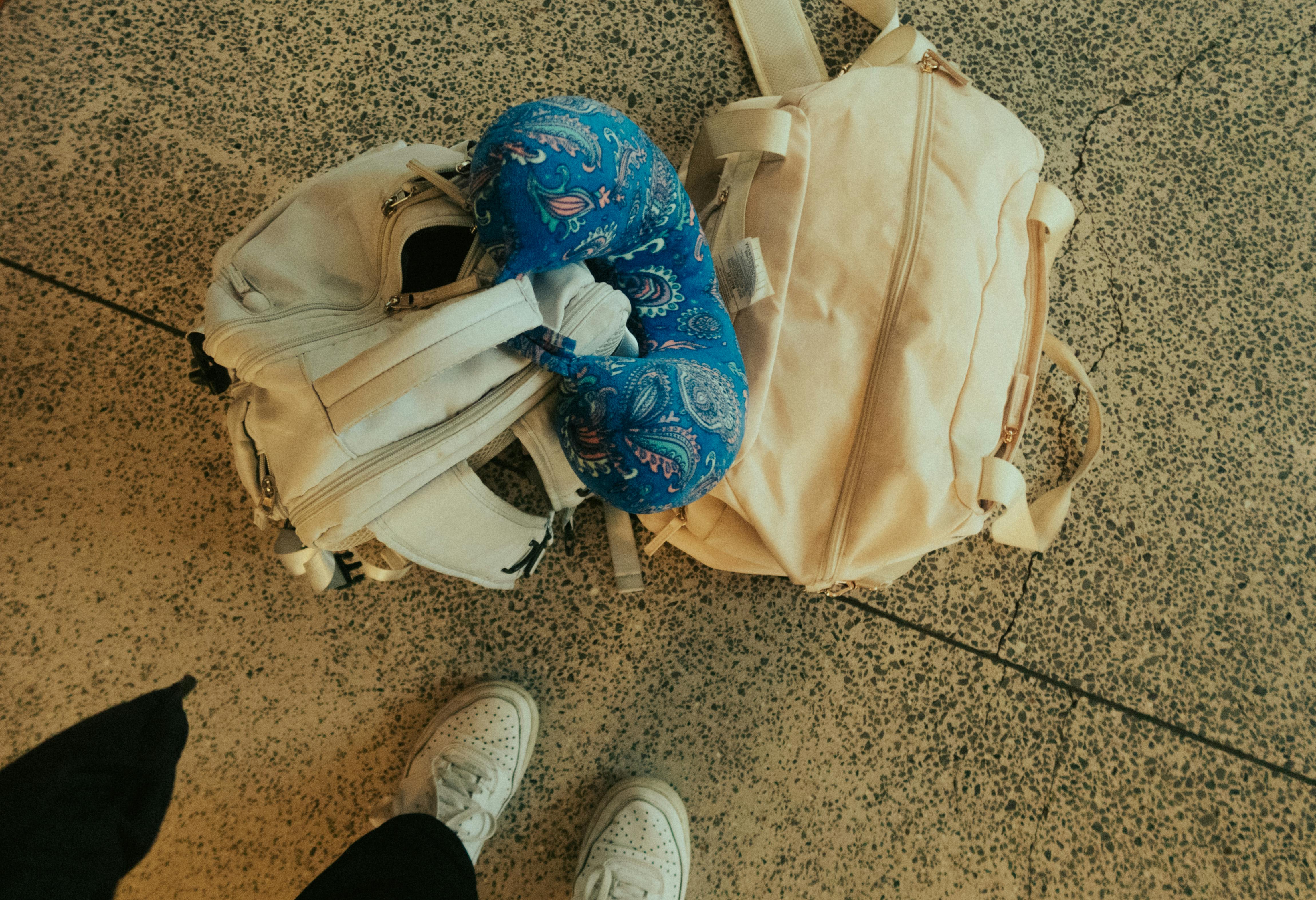
Review the most important packing categories one final time before departure.
CarryVale support is available 24/7 for questions about packing organizers, toiletry storage, technology accessories, luggage protection, travel comfort products, and existing orders.